How to Buy Prescription Glasses Online Safely
Learn how to buy prescription glasses online safely: check your prescription and PD, measure frame fit, vet the seller, and inspect your new pair on arrival.

Quick answer
To buy prescription glasses online safely, start with a current prescription and an accurate pupillary distance (PD). Choose frames using measurements from a pair that already fits, check the seller's return and remake policy, confirm lens options before paying, and inspect the finished glasses right away.
Key takeaways
- Use an up-to-date prescription from an eye exam, and get your PD measured or confirmed.
- Match frame width, bridge and temple length to a pair you already wear comfortably.
- Pay only for lens features you will actually use; extras add up quickly.
- Read the return, refund and remake policies before checkout, not after a problem.
- Check your new glasses against your prescription and comfort needs as soon as they arrive.
Start with a valid prescription
Everything else depends on the numbers your eye doctor gives you. If your last exam was a long time ago, or your vision has changed, book a new one before ordering. Prescription expiration rules vary by state, and a prescription that is out of date can leave you with glasses that look right but feel wrong.
In the US, eye care providers are generally required to hand over a copy of your glasses prescription after an exam, so you do not need to buy frames from the office that tested your eyes. If you do not have your copy, ask for it.
Know what the numbers mean
A prescription looks cryptic, but each part has a simple job. Here is a quick reference.
| Term | What it means |
|---|---|
| OD | Right eye |
| OS | Left eye |
| SPH (sphere) | Main strength for nearsightedness (minus) or farsightedness (plus) |
| CYL (cylinder) | Correction for astigmatism |
| Axis | Direction of the astigmatism correction, from 1 to 180 |
| ADD | Extra magnification for reading, used in bifocals and progressives |
| Prism | Correction for eye alignment issues; not everyone has this |
| PD | Distance between your pupils, used to center the lenses |
Enter every value exactly as written, including minus and plus signs. A flipped sign or a misplaced decimal is one of the most common ordering mistakes, so re-read your entries before you submit.
Get an accurate PD
PD is the number people most often forget. Your prescription may not list it, but you need it for the lenses to line up with your eyes. Ask your eye doctor or optician to measure it, since that is the most reliable route. Some online retailers offer tools to measure it with a ruler or a camera. These can work for simple prescriptions, but measure more than once and confirm the result is consistent.
Some prescriptions use two PD numbers, one for each eye, often called dual PD. If you have both, enter both. If you need different distance and near PDs for reading glasses or progressives, make sure the seller's form asks for that.
Choose frames that actually fit
Fit is where online buying feels riskiest, because you cannot try frames on. You can reduce the guesswork with measurements.
Use a pair you already own
Look inside the temple arm of your current glasses. You will often see three numbers such as 52-18-140. They stand for lens width, bridge width and temple length in millimeters. Use them as a starting point and compare them with the listed measurements of any frame you are considering.
- Lens width: affects how wide the frame looks and how much lens area you get.
- Bridge width: determines how the frame rests on your nose; too tight pinches, too loose slides.
- Temple length: affects how the arms sit over your ears.
- Frame width and lens height: matter for overall proportions and for progressive lenses, which need enough vertical room.
Consider your face shape and size
Face shape does not have to dictate your choice, but it helps you narrow down a huge catalog. If frames often seem to swallow your face, our guide to prescription glasses for small faces online explains what to look for in smaller sizes. If most frames feel too wide or slip around, prescription glasses for narrow face shapes covers fit points worth checking.
Also think about how you will use the glasses. Everyday wear, computer work and driving may call for different frames, and a lightweight material is worth considering if you wear them all day.
Pick lenses and coatings without overspending
Lens choices can double the confusion of buying online. Focus on what your prescription and lifestyle require.
Lens type
- Single vision: one strength across the lens, for distance or reading.
- Bifocal or progressive: multiple strengths in one lens. Progressives need accurate PD and fitting height, so check that the seller asks for them.
Lens material and thickness
Stronger prescriptions make thicker lenses. High-index materials make lenses thinner and lighter, and polycarbonate is commonly chosen for impact resistance, such as for kids or sports. Ask the seller which material suits your prescription range, because not every material is offered for every strength.
Coatings and add-ons
- Anti-reflective coating: reduces glare from screens and headlights and can make lenses look clearer.
- Scratch-resistant coating: helpful for everyday wear, though no lens is scratch-proof.
- Blue-light filtering: popular for screen use, but opinions on its benefits are mixed. Treat it as optional, not essential.
- Photochromic (light-adaptive) lenses: darken in sunlight, which can save you from carrying a second pair.
If budget matters, decide on your must-haves first and add extras only if they solve a real problem. Our guide on how to buy affordable prescription glasses walks through ways to keep costs reasonable without cutting corners on the basics.
Curious about tech-forward eyewear? Browse our smart glasses page, and check each product's details to see whether prescription lenses are supported before you buy.
Vet the seller before you pay
A good price means little if the seller is hard to reach when something goes wrong. Spend a few minutes on due diligence.
- Contact details: look for a working email, a contact form or a phone number, plus a clear business identity.
- Return policy: find out how many days you have, who pays for return shipping, and whether you get a refund or only store credit.
- Remake or remedy policy: ask what happens if the lenses do not match your prescription or the PD is off.
- Prescription handling: a reputable seller asks for your prescription and may verify it. Be cautious about any site that sells prescription lenses with no prescription step at all.
- Secure checkout: the page should use HTTPS, and payment should go through well-known methods. Paying by credit card often gives stronger dispute options than other methods.
- Product details: frame measurements, lens materials and coating descriptions should be specific, not vague.
- Realistic timelines: custom lenses take time to make and ship, so be wary of unclear delivery promises.
Reviews can help, but read them for patterns. A single bad review is normal; repeated complaints about wrong prescriptions, missing refunds or unanswered messages are a warning sign. Screenshot your order confirmation and the policy pages as they appear when you buy.
What to do when your glasses arrive
Do not wait until the return window is nearly over. Check your pair right away.
- Compare the order: confirm the frame, color, size and lens options match your confirmation email.
- Inspect the build: look for scratches, loose screws, uneven coatings or misaligned arms.
- Test the fit: the frame should sit level, not pinch your nose or temples, and not slide when you look down.
- Test your vision: wear them indoors and outdoors, read something, and look at distant objects.
- Give adaptation a little time: a new prescription, a new frame shape or progressive lenses can feel odd for a few days.
Headaches, dizziness or blurry vision that does not settle down are a reason to act. Contact the seller and, if needed, your eye doctor. The cause could be a PD error, a transcription mistake or a prescription that needs rechecking. A local optician can often check lens power and adjust the fit for you.
When online may not be the best choice
Buying online works well for many people, but some situations call for extra care or in-person help:
- Complex prescriptions, especially those with prism or very high strength.
- Progressive lenses, if you have never worn them, since fitting height matters a lot.
- Children's glasses, where fit, durability and accuracy are especially important; ask your child's eye doctor for guidance.
- Unusual face proportions, where a professional fitting may save you several rounds of returns.
Even then, you can combine both approaches: get your PD and prescription at the optician, then shop online with confidence. If you are browsing styles, our guide to glasses for oval face shapes online can help you narrow down options.
Shop the picks
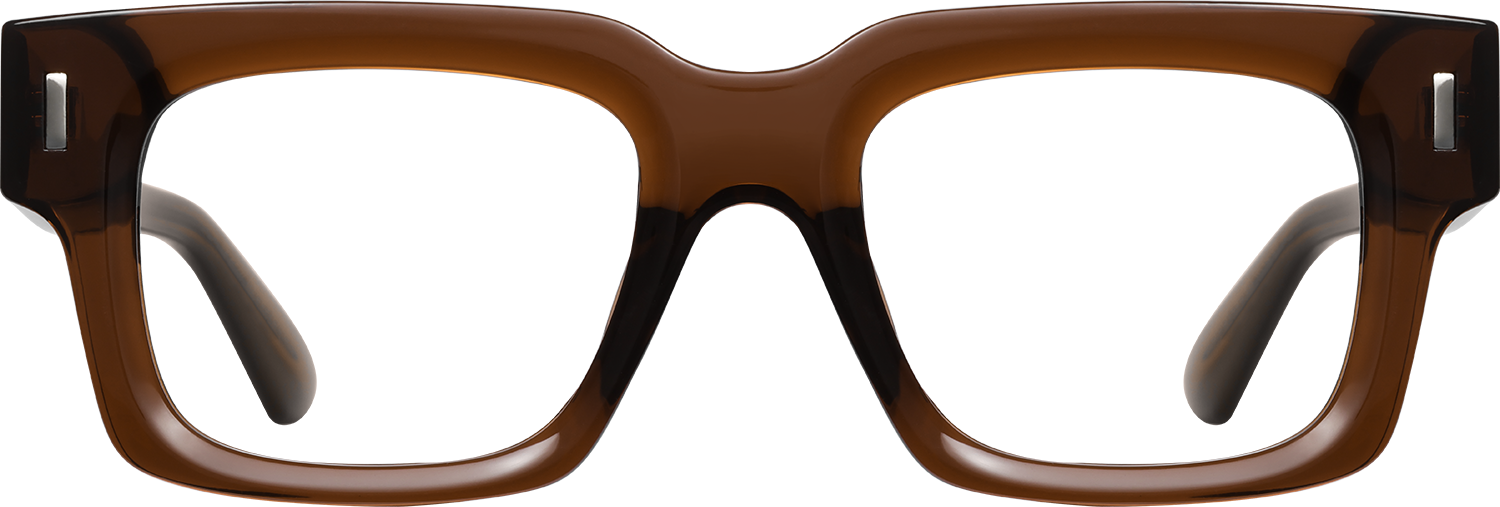
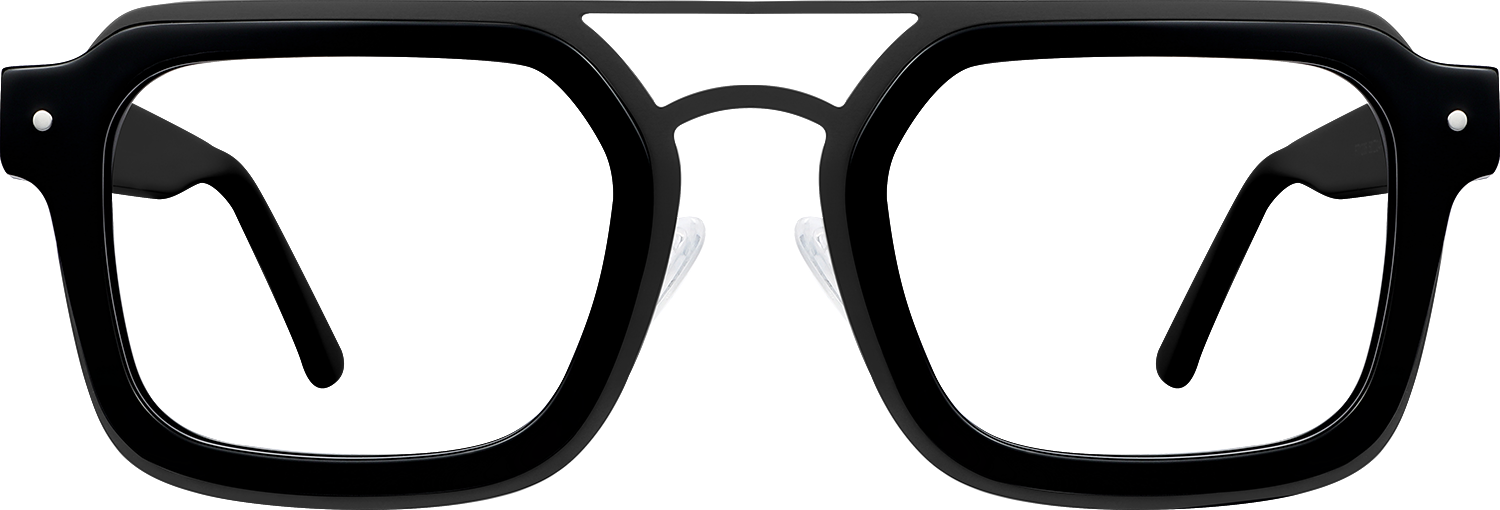
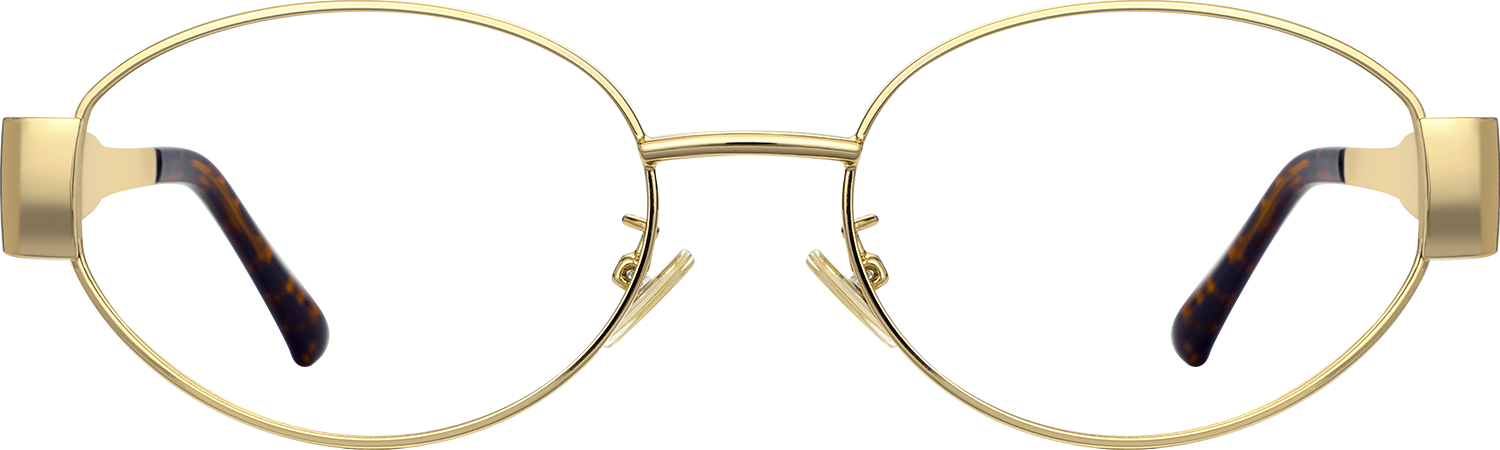
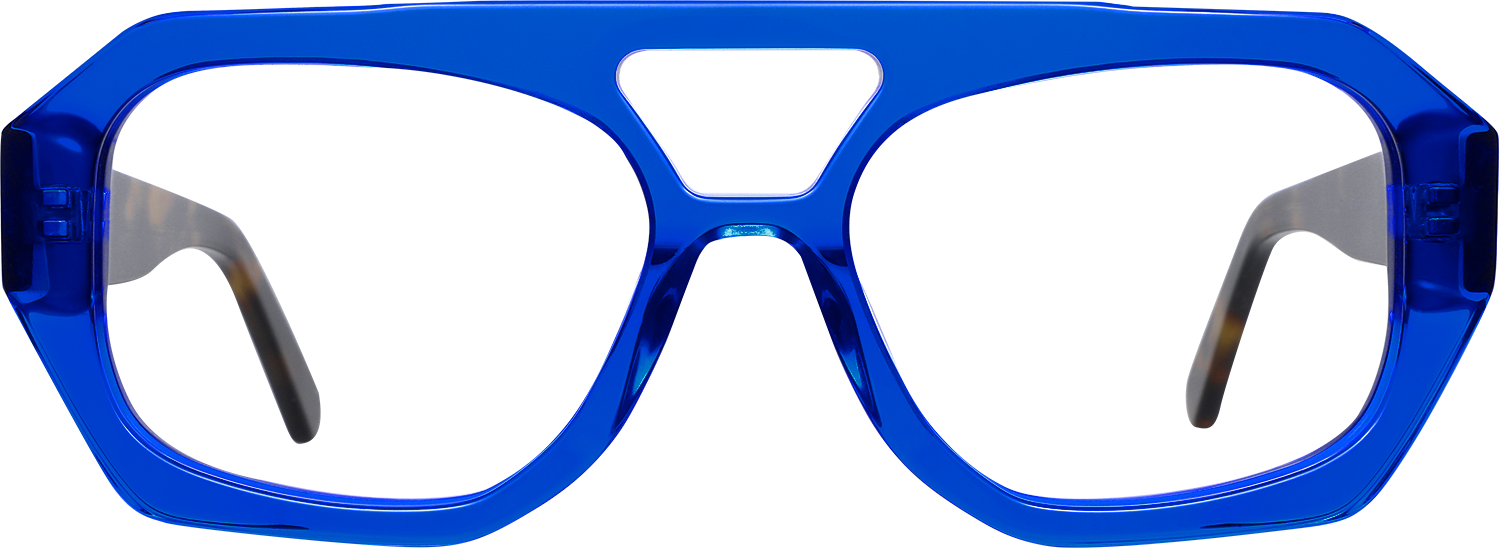

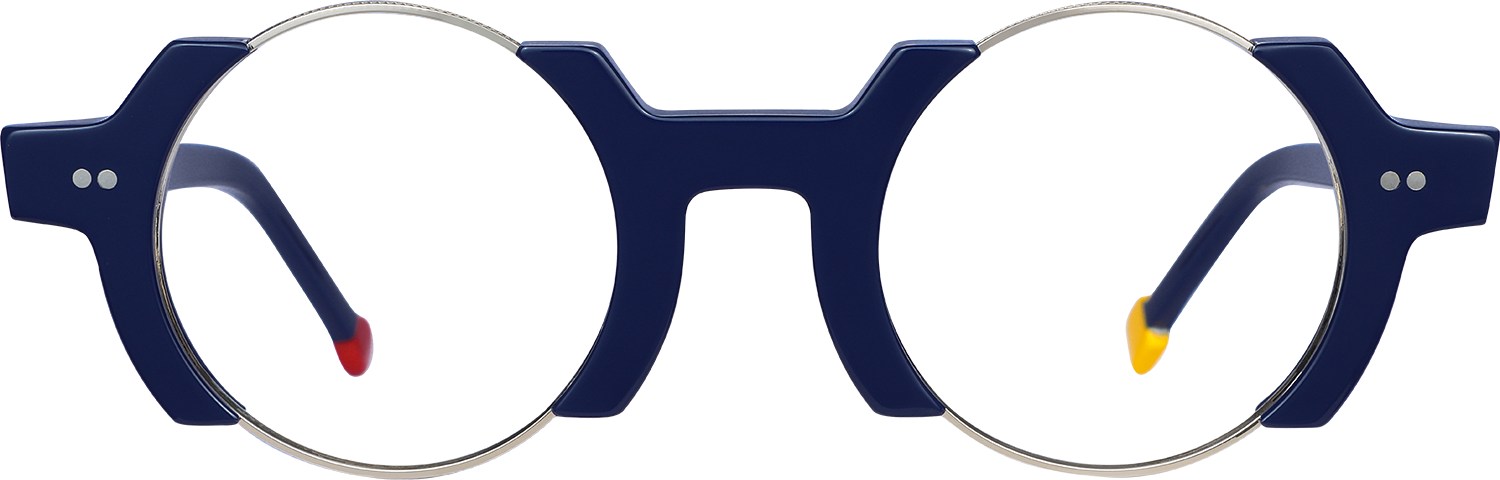
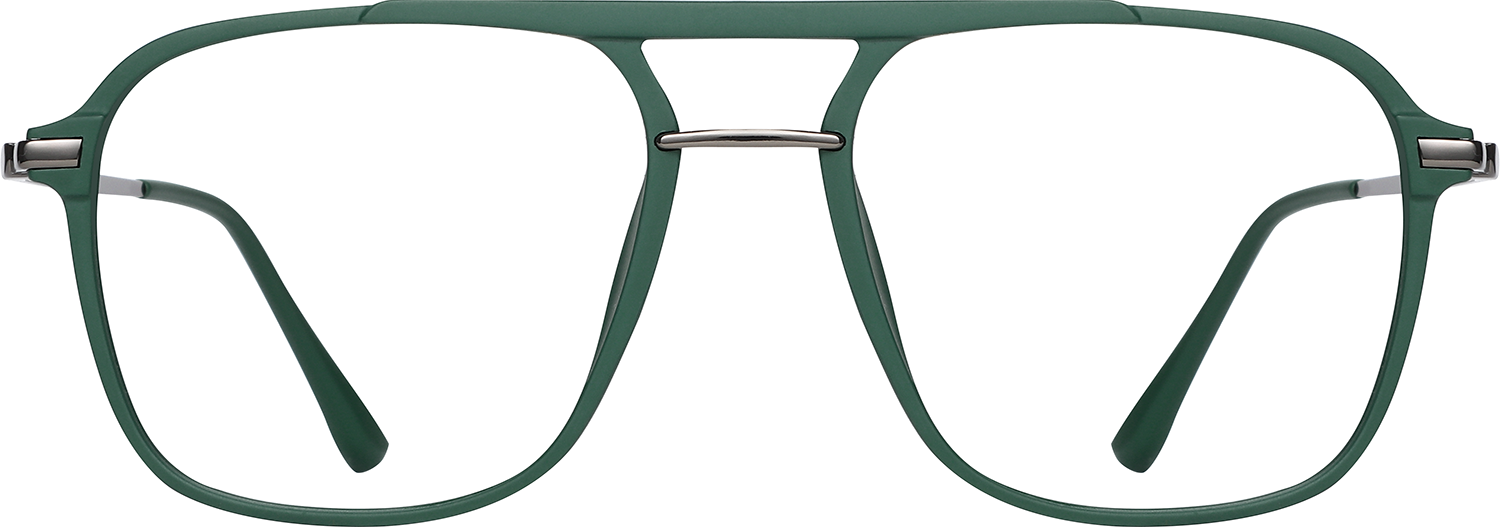
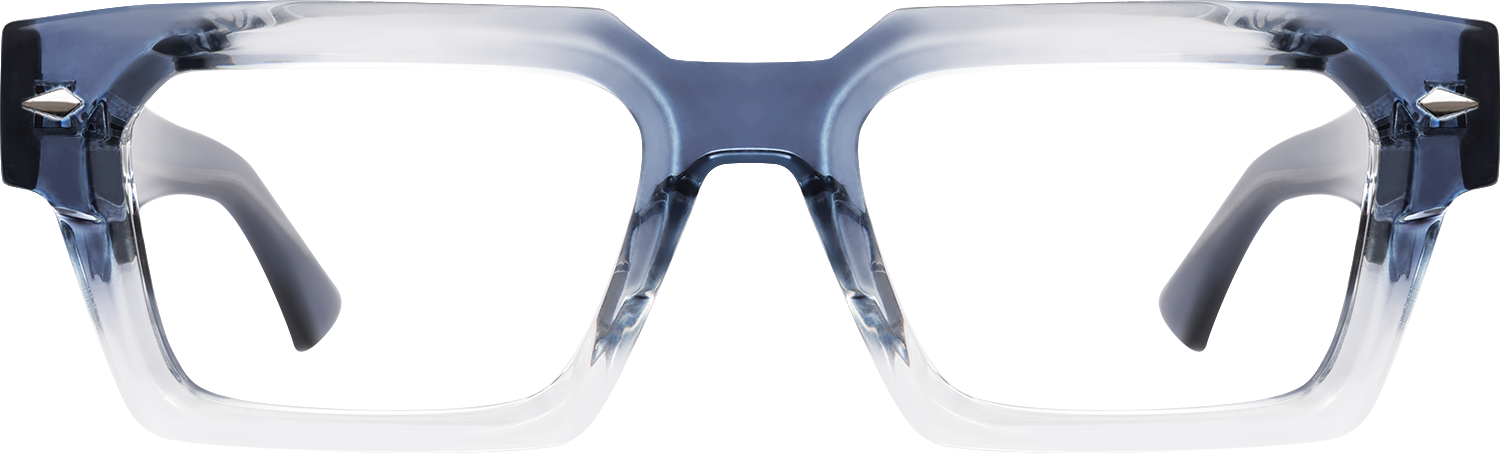
Partner links: we may earn a commission if you buy through these links, at no extra cost to you. Prices and availability can change, so confirm details on the retailer's page.
Bottom line
Buying prescription glasses online is safe and practical when you prepare. Begin with a current prescription and accurate PD, size your frames from a pair that fits, choose only the lens features you need, and read the seller's policies before paying. When your order arrives, check it promptly so you can use the return or remake process if anything is off.
Frequently asked questions
Can I use an old prescription to order new glasses?
It is better to use a current one. Prescriptions can expire, and your vision may have changed since your last exam. If your eyes feel strained or your vision seems off, book a new exam first.
What if my prescription does not include my PD?
Ask your eye doctor or an optician to measure it, as this is usually the most reliable option. Some online tools let you measure it yourself, but repeat the measurement to check that it is consistent.
Why do my new glasses make me feel dizzy?
A mild adjustment period is common, especially with a new prescription, a different frame shape or progressive lenses. If dizziness or headaches continue after a few days, contact the seller and your eye doctor to check for errors in the prescription or PD.
Do I need blue-light filtering lenses?
Not necessarily. Opinions on the benefits are mixed, so treat it as an optional extra. If screen comfort is a concern, talk with your eye doctor about breaks, lighting and other options.
Can I get prescription lenses in sunglasses or smart glasses?
Some styles support prescription lenses, but not all do. Check the product details and the seller's lens options for compatibility with your prescription before you order.
How soon should I check my glasses after delivery?
As soon as possible. Compare them with your order, inspect the finish and test your vision, so you are well within the return or remake window if something is wrong.